Quick answer: A proper roof inspection checks the shingles, flashing, penetrations, gutters, eaves, attic ventilation, decking and signs of moisture, then puts the findings in a written report with photos. If a roofer only glances at the roof from the driveway and quotes a price, that is not an inspection. Expect it to take 30 to 60 minutes for an average home.
Most homeowners only think about a roof inspection after a storm or a stain on the ceiling. By then, small problems have often grown. Knowing what a good inspection covers helps you compare roofers fairly and spot anyone who is cutting corners. This guide walks through the nine checks a thorough roofer makes, what the report should contain and the red flags to watch for.
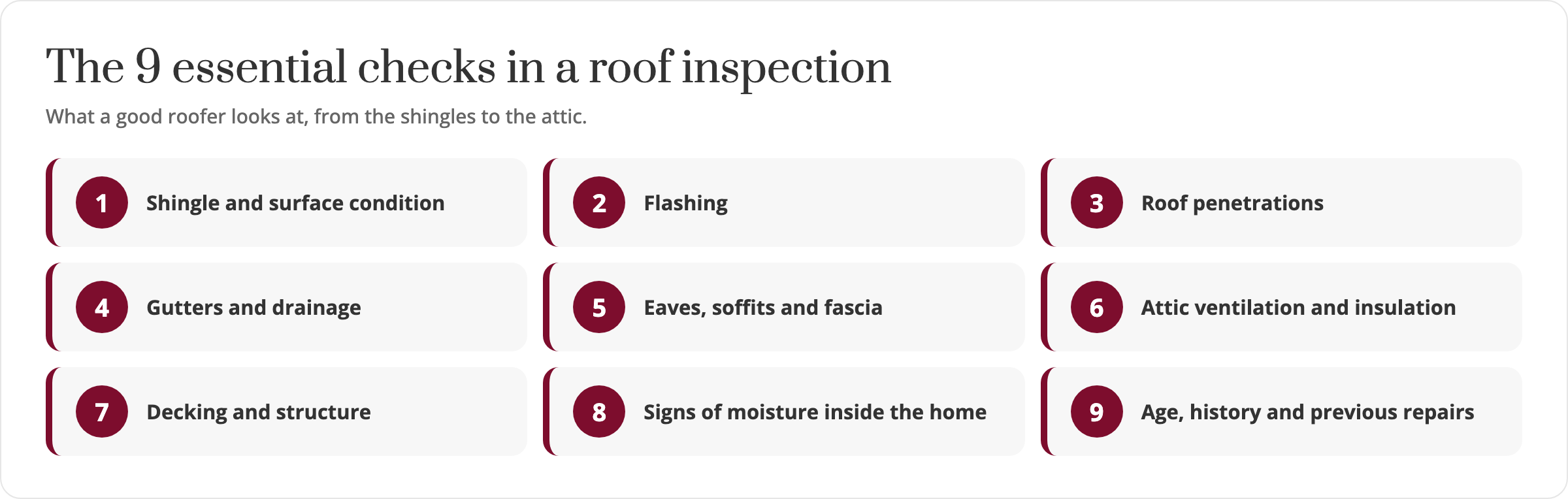
Table of Contents
Why a roof inspection is worth doing
Your roof protects everything beneath it, yet it is the part of the house you see least. A roof inspection gives you a clear picture of its condition before a minor issue becomes a leak, a mold problem or a damaged ceiling.
The most common reasons to schedule one are after a major storm, after a long Northeast winter, before you buy or sell a home, and before you commit to a repair or replacement. Having an expert look at the whole system also gives you leverage: you can compare quotes using facts instead of guesses.
It also helps to remember that a roof inspection is a snapshot of a moving target. Weather, age and small movements in the house all change a roof over time, which is why keeping dated reports is useful. A file of photos from each visit lets you, and any roofer you hire later, see exactly how a problem area has changed from one year to the next.
9 essential checks in a roof inspection
Every roofer has a slightly different routine, but a complete roof inspection includes the following nine checks.
1. Shingle and surface condition
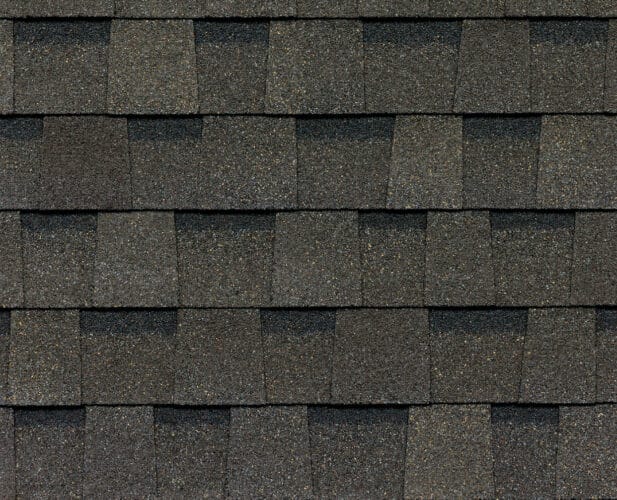
The roofer looks for cracked, curled, blistered or missing shingles, plus bare spots where granules have worn away. Widespread wear is a sign the roof is approaching the end of its life, and it is the first thing a roof inspection should document with photos.
2. Flashing
Flashing is the metal that seals joints around chimneys, walls, valleys and skylights. It is one of the most common leak sources, so a good inspector checks every run for gaps, rust and loose sealant.
3. Roof penetrations
Plumbing vents, exhaust fans and chimneys all pierce the roof. The boots, collars and caulk around them dry out and crack over time, and they deserve a close look.
4. Gutters and drainage
Clogged or sagging gutters push water back under the roof edge. The inspector checks that water leaves the roof freely and that downspouts direct it away from the foundation.
5. Eaves, soffits and fascia
Peeling paint, stains or soft wood along the roof edge point to water getting in, often from ice dams or overflowing gutters.
6. Attic ventilation and insulation
A roof inspection should not stop at the shingles. Poor ventilation traps heat and moisture, which can shorten shingle life and feed mold. The roofer checks vents, insulation levels and the underside of the roof boards.
7. Decking and structure
From the attic, the roofer looks for sagging, dark stains or soft spots in the sheathing. Damaged decking changes the repair plan, so it matters a great deal.
8. Signs of moisture inside the home
Ceiling stains, peeling paint and musty odors often show up before a visible roof leak. The inspector connects interior clues to the roof area above them.
9. Age, history and previous repairs
The number of layers, the age of the roof and earlier patches all affect your options. Several old repairs on one slope, for example, can point to a deeper issue.
What happens during a roof inspection visit
Knowing the sequence helps you tell a thorough visit from a quick walk-around. A typical roof inspection runs in four steps:
- Exterior walk-around. The roofer looks at the roofline, gutters, siding edges and the ground for fallen granules or debris.
- Roof surface. They inspect each slope, either on the roof or with a drone or ladder where it is unsafe to walk.
- Attic and interior. They check the underside of the roof, insulation and ceilings for moisture.
- Review and report. You get a walkthrough of the findings, photos and a written recommendation.
What a good roof inspection report includes
The report is what turns a visit into something useful. Ask for it in writing, and expect it to contain:
- Photos of each problem area, with its location noted on the roof.
- The roof’s approximate age, material and number of layers.
- A plain-language list of issues, ranked by urgency.
- A clear recommendation: monitor, repair or replace, and why.
- An itemized estimate for any recommended work.
- The roofer’s license, insurance and warranty information.
If the findings are only a verbal summary and a total price, ask for the details before you sign anything.
Roof inspection: DIY vs professional
| Factor | DIY from the ground | Professional inspection |
|---|---|---|
| Safety | Safe if you stay on the ground | Trained and equipped for heights |
| What it finds | Visible shingle and gutter issues | Flashing, decking, ventilation and hidden moisture |
| Attic check | Basic look for stains and daylight | Full review of ventilation and structure |
| Documentation | Your own photos | Written report with photos and recommendations |
| Best for | Quick seasonal check | Storm damage, buying or selling, repair decisions |
How to prepare for a roof inspection
A little preparation makes the visit faster and the report more useful. Keep access to the attic hatch clear, move any stored boxes near it and make a note of any leaks, stains or noises you have noticed. Share the roof’s age and any past repair records if you have them. If the roofer needs to see the interior, let them know in advance so they can plan the time.
How often should you schedule a roof inspection?
A sensible rule is once a year, ideally in spring after the freeze and thaw season, plus any time after a major storm or when you notice a leak. A roof that is more than ten or fifteen years old benefits from the closer attention. If you are buying a home, have the roof inspected before closing, because replacement is one of the largest repair costs a homeowner faces.
Red flags to watch for
Most roofers are honest, but a few habits should make you cautious during any roof inspection:
- Pressure to sign the same day, or a “today only” price.
- No photos or written findings, only a verbal description.
- A recommendation for full replacement with no explanation of why a repair will not work.
- No proof of license, insurance or warranty terms.
- Unsolicited door-to-door offers after a storm.
The National Association of Certified Home Inspectors publishes general guidance at nachi.org if you want an independent view of what a thorough inspection should include.
Frequently asked questions
How long does a roof inspection take?
For an average home it usually takes 30 to 60 minutes, including the exterior, the attic and a short review of the findings. Complex roofs take longer.
What is the difference between a roof inspection and an estimate?
A roof inspection documents the condition of the roof and what is wrong. An estimate puts a price on the work to fix it. A good roofer provides both, and keeps them clearly separate.
Can a roof inspection be done from the ground?
A ground-level look can spot obvious problems, but it cannot check flashing details, the attic or the decking. For repair and replacement decisions, a full inspection is more reliable.
Should I get a roof inspection after a storm?
Yes. Wind and hail damage is not always visible from below, and documenting it early helps if you need to file an insurance claim.
Is a roof inspection part of a regular home inspection?
A general home inspection usually includes a limited look at the roof, often from the ground or a ladder. A dedicated roof inspection by a roofing contractor goes further, covering flashing, ventilation and decking in detail.
Schedule a roof inspection with DFS In-Home Services
If you want a clear, written view of your roof’s condition, a roof inspection is the right first step. DFS In-Home Services has served homeowners with roofing, siding, windows, seamless gutters and renovations since 2001. We are based in Carmel, NY, and work across Connecticut and the New York tri-state area, including Fairfield, Litchfield and New Haven counties in Connecticut and Putnam and Westchester counties in New York. 100% financing is available.
Call us at 1 (877) 337-2739 or request a free in-home estimate. You can also explore our roofing services, see how we work in Connecticut, or read why homeowners choose us as a roofing contractor in Connecticut. Planning exterior work as well? Our guide to vinyl vs James Hardie siding can help.
Ready to Start Your Project?
Get a FREE, no obligation In-Home Service consultation.
Request Estimate
Talk to one of our products specialist about your project.