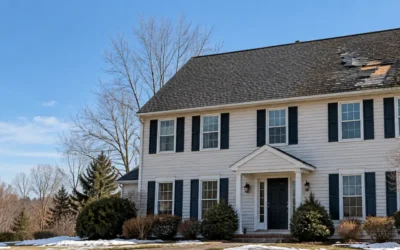
What to expect, in short: A typical roof replacement takes the old roof off down to the wood deck, repairs any damaged boards, adds ice and water protection and underlayment, installs new flashing, ventilation and shingles, and ends with a full cleanup. Many homes are done in one to a few days, depending on size, layers and weather.
A roof replacement is one of the biggest projects most homeowners ever take on, and it happens right over your head. Knowing what each stage looks like makes the process far less stressful, and it helps you spot the difference between careful work and shortcuts.
Whether you live in Westport, Litchfield or Enfield in Connecticut, or in Carmel, Lake Carmel, the Bronx, Brooklyn, Hempstead, Saratoga Springs, Schenectady, Syracuse or Orchard Park in New York, the steps of a good roof replacement are much the same. This guide walks through them from the first estimate to the final walkthrough.
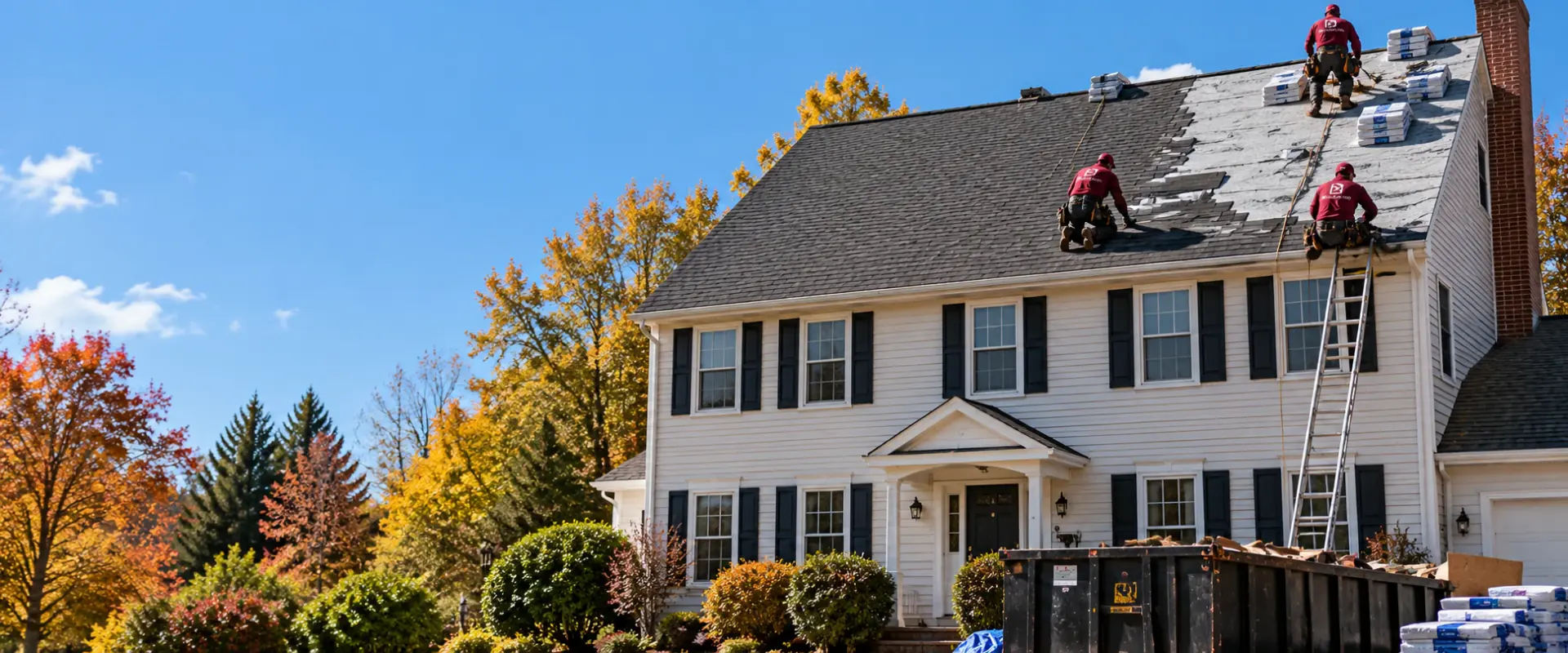
Table of Contents
Before the Crew Arrives
Every roof replacement starts with an inspection and a written estimate. A good estimate spells out tear-off, how many layers are coming off, deck repairs, underlayment, flashing, ventilation, the shingle line and color, cleanup and warranties. If any of those are missing, ask before you sign.
Many towns require a building permit for a roof replacement, and the rules vary from place to place. Ask who pulls the permit and schedules any inspection. Your contractor should also order materials and arrange a dumpster or trailer for the old roofing.
Ask about warranties up front, too. Most new roofs come with a manufacturer warranty on the shingles and a separate workmanship warranty from the installer. Find out how long each lasts, what they cover, whether the shingle warranty needs to be registered, and who you call if a problem shows up years later.
If you are still deciding whether you need a new roof at all, start with a professional inspection. Our guide to what a good roof inspection checks explains what to expect, and our article on roof repair or replacement helps you decide whether a repair is enough.
What Happens on Site, Stage by Stage
Protecting Your Home and Yard
Before anything comes off, a careful crew covers landscaping, protects windows and doors near the work, and sets up a safe area for debris. Ask where the dumpster will go so it does not block your driveway or damage the lawn.
Tearing Off the Old Roof
Most quality roof replacement work removes the old shingles all the way down to the wood deck rather than nailing a new layer over the top. A full tear-off adds a little time and cost, but it lets the crew see the condition of the deck, which is impossible with an overlay.
Checking and Repairing the Deck
With the old roofing gone, the crew inspects the plywood or boards underneath. Soft, rotted or delaminated sections are cut out and replaced. Ask how deck repairs are priced before the job starts, and ask for photos of anything that gets replaced.
Ice and Water Shield and Underlayment
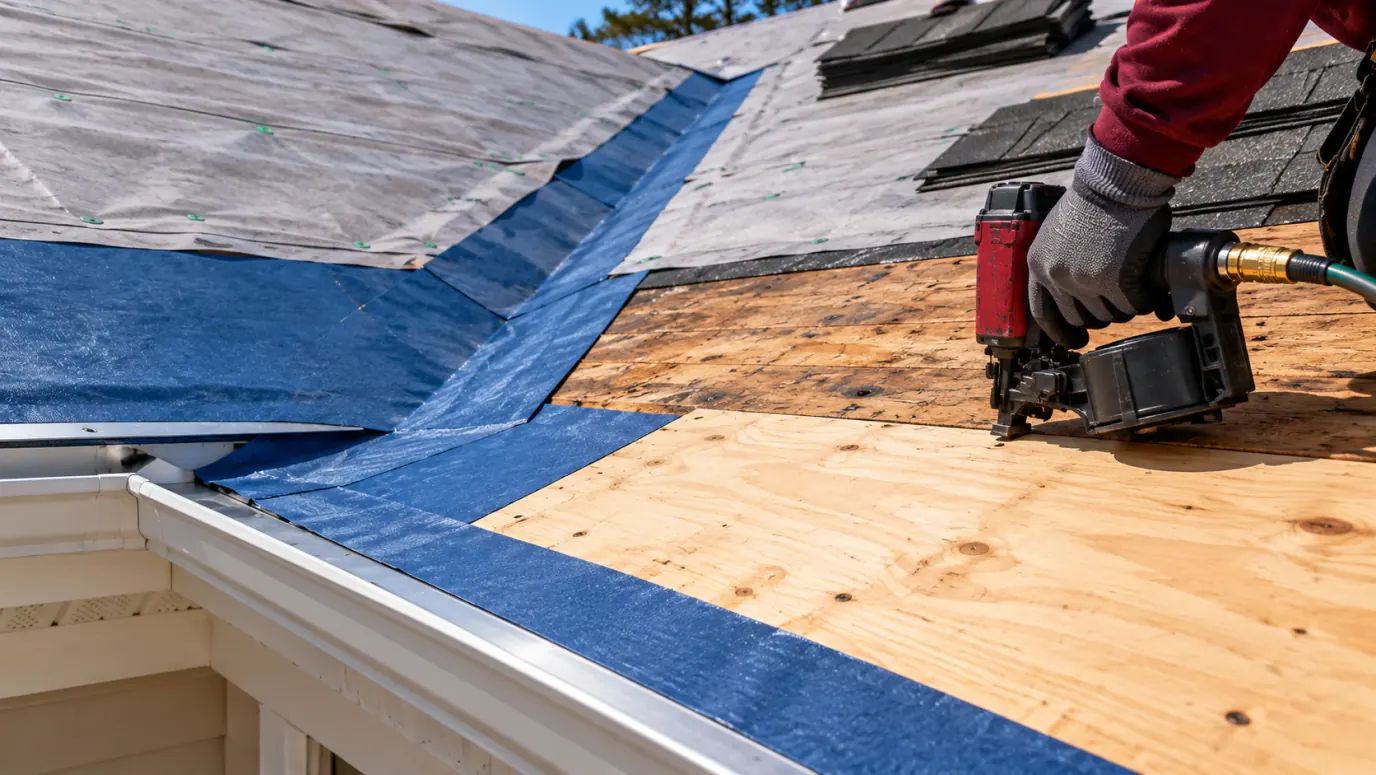
Ice and water shield is a self-sealing membrane installed along the eaves, in valleys and around penetrations. It matters in any area that sees ice dams, from Upstate New York to Litchfield County. Synthetic underlayment then covers the rest of the deck as a second line of defense under the shingles.
Drip Edge and Flashing
Metal drip edge goes along the roof edges to guide water into the gutters. New flashing is installed around chimneys, walls, skylights and vents. Reusing old, worn flashing is one of the most common shortcuts in a roof replacement, so ask what the quote includes.
Ventilation
A roof needs to breathe. Balanced intake vents at the soffits and exhaust vents at or near the ridge help keep the attic cooler in summer and drier in winter, which can extend shingle life and reduce ice dams.
New Shingles and Ridge Cap
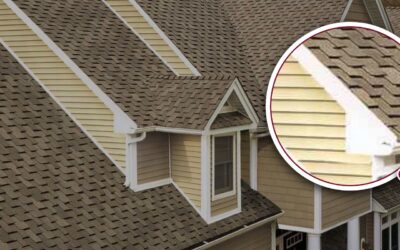
Shingles are installed from the bottom up, following the manufacturer’s nailing pattern, with matching ridge cap shingles along the peaks. Following those instructions closely matters for both performance and the warranty.
Cleanup and Final Walkthrough
The job should end with debris hauled away, gutters cleared and a magnetic sweep for nails across the yard and driveway. Walk the property with the crew lead, and ask about final photos, the permit sign-off and your warranty paperwork.
How Your Location Shapes a Roof Replacement
Upstate New York. In Orchard Park, Syracuse, Schenectady and Saratoga Springs, heavy snow and long freezes make ice and water shield, good attic ventilation and solid decking especially important. A roof replacement here is often planned around the snow season, so booking early helps.
Coastal Connecticut and Long Island. Homes in Westport and Hempstead see stronger wind and salt air. Ask about high-wind nailing patterns, sealed starter strips at the edges and corrosion-resistant flashing and fasteners.
New York City. Many homes in the Bronx and Brooklyn have flat or low-slope sections that need different roofing materials than pitched shingle roofs. If your house has both, your roof replacement quote should cover each area separately.
Hudson Valley and Northwest Connecticut. Older homes around Carmel, Lake Carmel and Litchfield sometimes hide two or three old layers or original board decking. Expect a closer look at the deck once the tear-off is done.
Choices You Will Make
| Choice | Common options | What to consider |
|---|---|---|
| Shingle type | Architectural, three-tab, designer | Architectural shingles are the most common choice for a roof replacement today |
| Color | Grays, browns, blends | Match your siding and trim, and check any neighborhood rules |
| Underlayment | Synthetic, plus ice and water shield | More ice and water coverage helps in ice-dam areas |
| Ventilation | Ridge vent, soffit vents, other exhaust vents | Balanced intake and exhaust is the goal |
| Extras | New gutters, skylight work, chimney repairs | Doing them together avoids reopening the roof later |
For general guidance on roofing materials and good installation practice, the National Roofing Contractors Association is a reliable independent resource.
How to Prepare Your Home
- Move cars out of the driveway and garage area the night before.
- Take down wall hangings on top-floor rooms, since hammering can shake walls.
- Cover items stored in the attic, because some dust and debris may fall through.
- Move patio furniture, grills and planters away from the house.
- Plan for pets and young children to stay away from the work area.
- Let neighbors know about the noise and the dumpster.
Signs of a Roof Replacement Done Right
When the crew leaves, you should be able to check off most of this list:
- The old roof was fully torn off, not covered over.
- You received photos of the deck and any repairs.
- Ice and water shield was used at the eaves and valleys.
- Flashing around chimneys, walls and vents is new.
- Ventilation was checked and balanced.
- The yard and driveway were swept for nails.
- You have written warranty details and, where required, a closed permit.
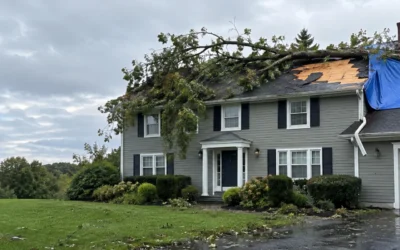
If your roof was damaged in a storm, our guide to filing a roof damage insurance claim explains how to document the damage before work begins.
Frequently Asked Questions
1. How long does a roof replacement take?
Many single-family homes are done in one to a few days. Larger or steeper roofs, multiple old layers, deck repairs and weather can add time.
2. Can a new roof be installed over the old one?
Sometimes codes allow one overlay, but a full tear-off is usually the better choice because it lets the crew inspect and repair the deck.
3. Do I need to be home during the roof replacement?
Not the whole time. It helps to be there at the start and for the final walkthrough, and to be reachable if the crew finds deck damage.
4. What time of year is best for a roof replacement?
Late spring through fall is the busiest season. Work can often be done in cooler months too, but some products need milder temperatures to seal well, so ask your contractor about timing.
5. Will a roof replacement be noisy?
Yes, especially during tear-off. Most of the loudest work happens in the first day, so plan quiet activities elsewhere if you work from home.
Plan Your New Roof With DFS
Our team can inspect your roof, explain your options and give you a clear, written scope before any work begins. Learn more about our roofing services, our roofing in Connecticut and our roofing in New York.
DFS In-Home Services has served homeowners with roofing, siding, windows, seamless gutters and renovations since 2001. We are based in Carmel, NY, and work across Connecticut and the New York tri-state area, including Fairfield, Litchfield and New Haven counties in Connecticut and Putnam and Westchester counties in New York. 100% financing is available.
Call us at 1 (877) 337-2739 or request a free in-home estimate.
Ready to Start Your Project?
Get a FREE, no obligation In-Home Service consultation.
Request Estimate
Talk to one of our products specialist about your project.